
13 October 2026
Compare live raffles →
Prize Value vs. Price: 5 Checks for UK Competition Tickets
Whether a headline prize justifies its ticket price depends on usable prize value and transparency, not the advertised odds alone. We judge this by converting the prize into a value ratio, checking what the winner can actually use once restrictions apply, and confirming the operator meets Gambling Commission transparency standards. Get those factors right and the comparison becomes straightforward.
TL;DR:
- Subtract delivery, travel, insurance, registration, and other restrictions from the advertised prize value before calculating the ratio; the headline figure is only a ceiling.
- Divide usable prize value by total possible ticket revenue, then compare the resulting percentage across competitions rather than judging one draw in isolation.
- Printed odds do not show the full risk: check refunds, repeat entries, the ticket cap, and current sales, since an undersold draw offers better odds.
- Before paying, verify an accessible free entry route where required, clear prize count and value, published entry limits, and disclosed winner selection and award timing.
Table of Contents
- Value ratio explained and short worked examples
- Why odds alone can mislead you
- Checklist: step-by-step method to compare prize value and ticket price before you pay
- Regulatory and transparency checks you can rely on
- How a live comparison service helps you decide
- FAQ
- Sources
Value ratio explained and short worked examples
A value ratio tells you how much prize value sits behind each pound you spend on a ticket. In its simplest form, we divide the usable prize value by the total ticket revenue the operator expects to collect. For example, compare the usable prize value with the revenue the operator expects to collect from ticket sales to estimate how much of each pound entered returns as prize value. The remainder covers running costs, marketing and profit.
Say a watch competition offers a watch as the headline prize and caps ticket sales. Compare the prize value with the total potential revenue to estimate the value ratio and assess how it compares with other competitions.
- Define usable value first: the figure printed on the promotion page is the starting point, not the final answer.
- Divide prize value by total possible revenue to get a rough percentage.
- Compare that percentage across competitions rather than judging one draw in isolation.
A headline prize figure is not the same as usable value: restrictions, expiry dates, substitutions, delivery costs and travel expenses can all shrink what a winner actually receives, as the Gambling Commission sets out in its guidance for operators and players. A car prize that requires the winner to pay delivery, insurance and registration fees is worth less in practice than the headline suggests, so we always treat the advertised figure as a ceiling rather than a guarantee.
Why odds alone can mislead you
A long odds figure on its own tells you very little about whether a ticket is good value. The number only becomes meaningful once you know whether your stake is returned on a loss, whether you get repeat chances, and how the prize value compares with what you paid.
Refundable-stake formats and repeat-entry mechanics change the maths substantially compared with a single, non-refundable ticket. A competition offering long odds with no refund carries a different risk profile to one offering the same odds but returning your stake as site credit if you lose. Expected return over multiple entries also differs from the odds printed on a ticket, since buying more tickets in the same draw raises your personal chance without changing the underlying ratio.
- Check whether the operator publishes a ticket cap rather than an open-ended sale.
- Look for published sales figures showing how many tickets have actually sold against the stated maximum.
- Confirm whether odds are stated at all: a promotion that omits this is harder to assess fairly.
Pro Tip: A competition with fewer tickets sold against its cap gives you better odds right now than one nearing its maximum, so checking current sales figures before you buy is worth the extra minute.
Checklist: step-by-step method to compare prize value and ticket price before you pay
Before entering any competition, work through these steps in order rather than relying on a single headline figure.
- Confirm the headline prize and any cash alternative. Check whether the operator offers a reasonable cash equivalent, which the voluntary code of good practice recommends operators provide promptly.
- List probable extra costs and restrictions. Travel, delivery, insurance, expiry dates and transferability clauses all reduce what the prize is worth to you specifically.
- Estimate likely tickets sold against the published maximum. A draw with relatively few tickets sold against its cap gives noticeably better odds than one nearing capacity, and checking current sales against the cap shows you where a draw stands.
- Calculate a simple value ratio. Divide the usable prize value by total possible ticket revenue, then compare that percentage with the ticket price you are being asked to pay.
- Check transparency items before paying. Confirm a free entry route exists where required, that the prize count and value are stated clearly, and that the operator publishes its ticket cap.
Pro Tip: Keep a simple note of the value ratio and ticket count for each draw you consider; comparing competitions side by side can make a weak offer obvious.
Working through the impact of ticket caps on real odds with actual numbers makes step three far less abstract, since a 10-ticket purchase against a 5,000 cap behaves very differently from the same purchase against a cap of 500.

Regulatory and transparency checks you can rely on
UK guidance draws a clear line between free draws, paid draws and prize competitions, and the Gambling Commission’s consumer landscape research stresses that judging value properly depends on knowing which type you are entering and whether a genuine free route exists. Prize competitions testing skill, knowledge or judgement sit outside gambling law, while free draws must offer an accessible no-purchase route.
Advertising standards guidance adds further expectations: promoters must be clear about prize nature, number and value, and must never imply a consumer has already won when they have not.
- Look for a published entry limit per person or household.
- Read the prize description for hidden costs the winner must cover.
- Check how winners are selected and how soon prizes are awarded after the draw closes.
How a live comparison service helps you decide
Tracking live odds and ticket counts across competitions reveals undersold draws before they fill up, which is exactly where value ratios shift in the entrant’s favour. We update odds regularly at Raffle Genius so you can spot a draw with fewer tickets sold, check for a free entry route, and compare prize-to-price figures without opening a dozen browser tabs. Checking a draw’s current ticket count and published terms before buying remains the single most useful habit we can recommend.
— matt
FAQ
What is the difference between “price” and “prize”?
Price refers to the amount you pay for something, while a prize is the reward won through a competition or draw. The Cambridge Dictionary illustrates this with the example of a hotel-room price versus a competition’s first prize.
Is there a difference between price and value?
Yes: price is what you pay, while value reflects what something is actually worth to you once restrictions, usability and personal circumstances are considered. A low ticket price can still represent poor value if the prize is hard to use or heavily restricted.
What is the correct meaning of price?
Price is the amount of money paid to buy something, as distinct from the reward or benefit received in return. This definition sits at the centre of comparing ticket cost against prize value in any competition.
Which is correct: “price giving” or “prize giving”?
“Prize giving” is the correct spelling, referring to an event where prizes are awarded to winners. “Price giving” is a common misspelling that confuses the cost of an item with the reward given to a winner.
Sources
Recommended
18+ · Please gamble responsibly. Raffle Genius is a comparison service and does not run competitions.
Live raffles worth a look
Fewest tickets sold right now — your best odds.
 Premier Prize Competitions
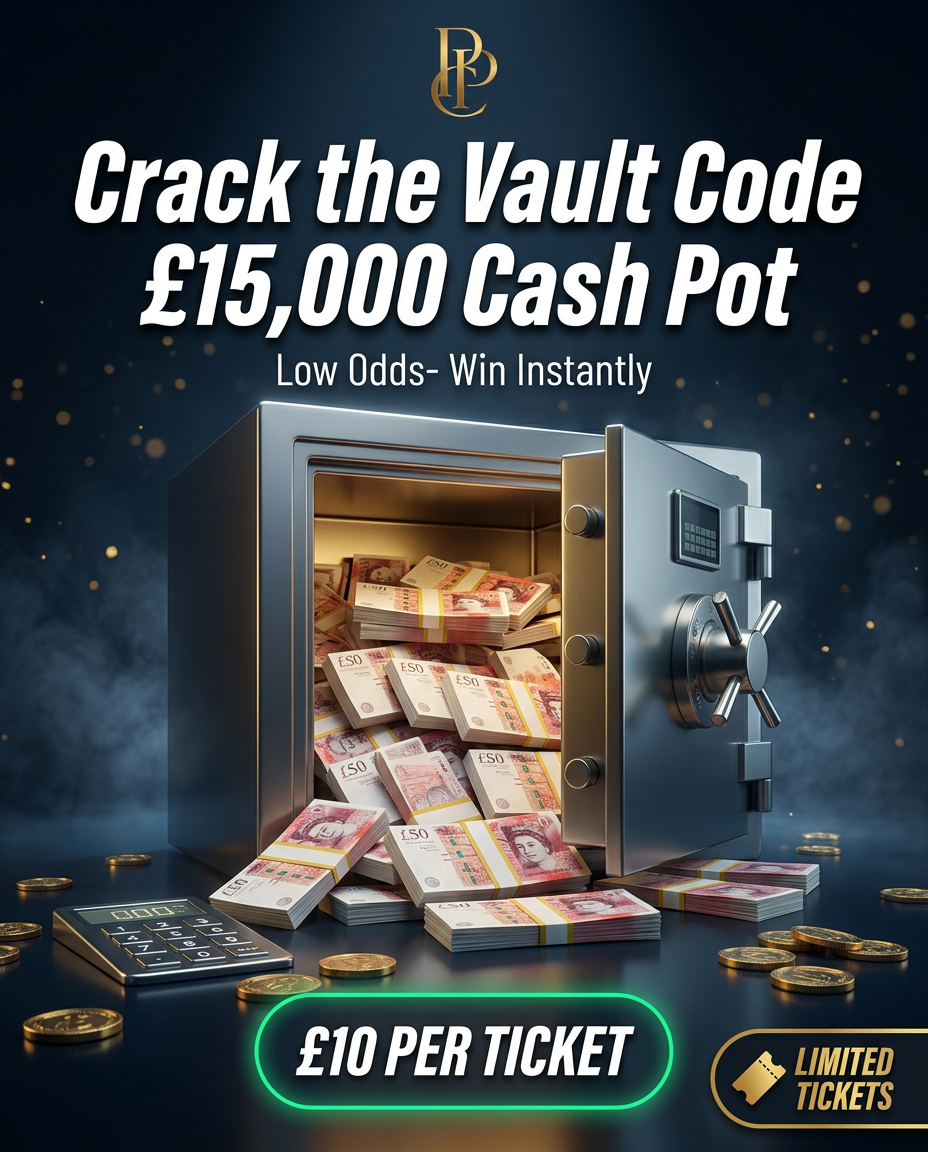
Low Odds Crack the Code £15,000 Cash Pot
Best oddsvia Premier Prize Competitions
Live odds for £25.00
1 in 1.0
1 in 1,374 if it sells out
0%sold
2,747 left
£10.00 per ticket
Closes in
5d 10h 11m 39s
 Elite Competitions
£88,000 Cash
Best oddsvia Elite Competitions
Live odds for £25.00
1 in 1.0
1 in 9,594 if it sells out
0%sold
7,991,999 left
3p per ticket
Closes in
7d 10h 11m 39s
 Premier Prize Competitions
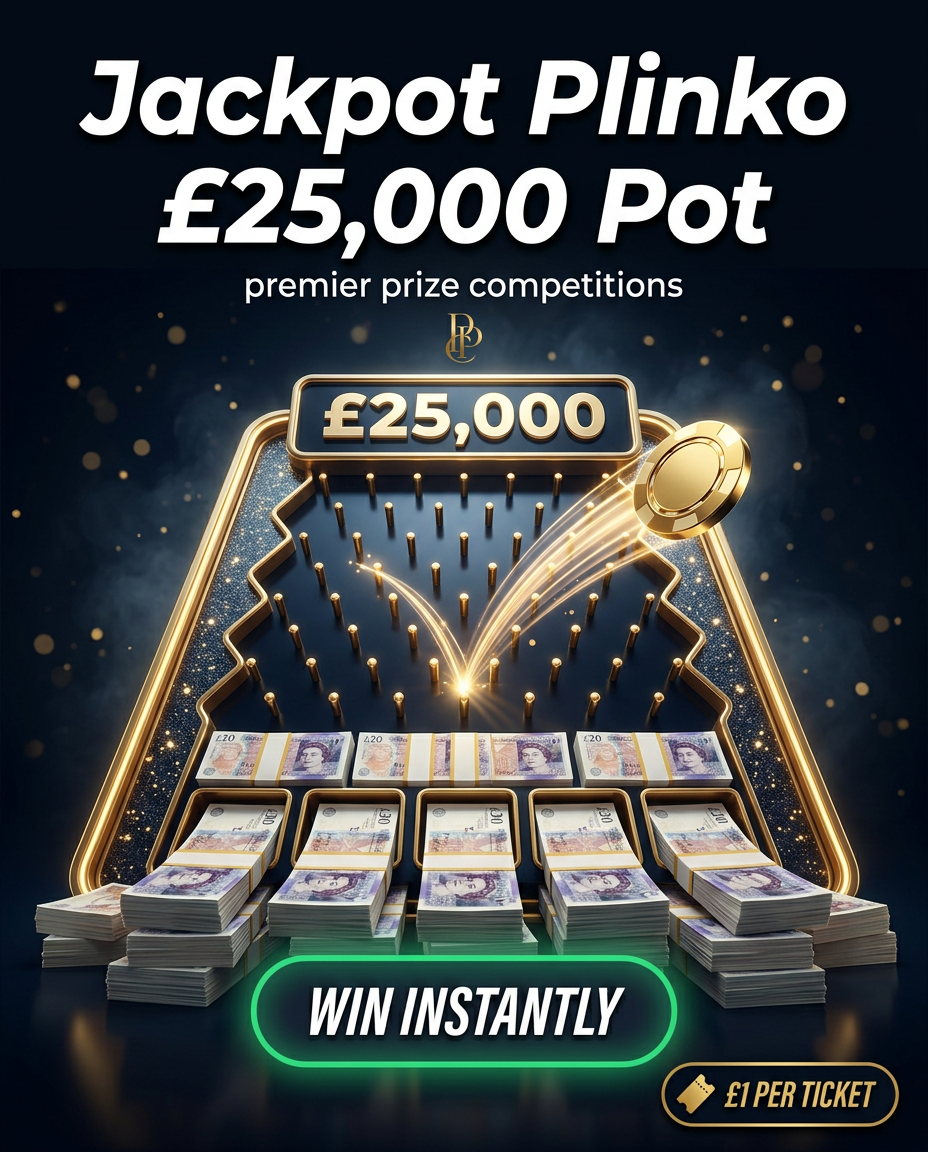
PLINKO £25,000 Jackpot Hunt
Best oddsvia Premier Prize Competitions
Live odds for £25.00
1 in 1.0
1 in 1,599 if it sells out
0%sold
39,978 left
£1.00 per ticket
Closes in
54d 12h 11m 39s
Best odds, straight to your inbox
One email a week with the undersold UK competitions closing soon. No spam, unsubscribe any time. 18+
Stay signed up for a chance to win £50 every month. One random winner drawn from all subscribers.
No purchase necessary. Free entry.